As cyberattacks become increasingly frequent and sophisticated, banks are turning to advanced technological solutions to combat this threat.
This is borne out by future projections for the financial services sector, with the use of technology within this space set to grow by 22% between now and 2024.
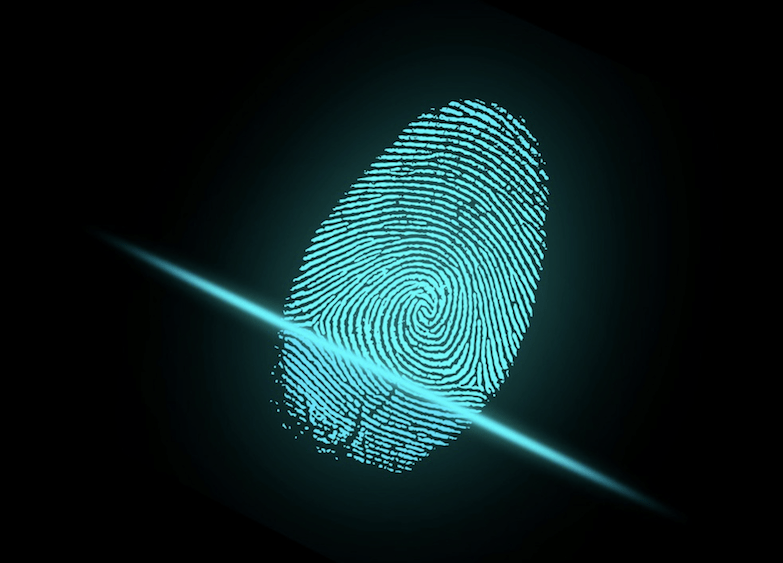
At the heart of this is the adoption of biometrics, which refers to the use of technologies such as fingerprint and iris recognition to authenticate transactions. But will this soon become the norm to protect those using online banking or other services such as loan calculators, and could blockchain offer a more viable alternative?
The pros and cons of biometrics
According to the latest statistics, 99% of enterprises in the U.S. currently use passwords as their primary authentication method. Despite this, just 34% have confidence in the security capabilities of this method, particularly as cyber thieves become increasingly sophisticated in their approach.
Biometric technology has been presented as a progressive alternative to passwords, as it uses unalterable physiological factors such as fingerprints and facial recognition to authenticate your transactions. These are thought to support multi-layered and secure customer experiences, with most early adopters of the technology preferring to use a combination of biometric factors to verify an account holders’ identity.
However, there are a couple of issues with this technology. Firstly, it’s not suitable in all circumstances, particularly if a customer wants to speak directly to their bank while driving. This makes fingerprint or facial recognition impractical as a standalone solution, so alternative options must be made available.
There are also potential data privacy issues associated with biometric authentication. Financial service providers will need to invest heavily to ensure the safety and security of their users’ data and to provide confidence to the wider markets that this method is trustable and useful in the long term.
What about blockchain?
Given these concerns, blockchain may provide a more effective alternative. This decentralised ledger technology provides a comprehensive and immutable record of individual transactions, while also supporting the anonymity of account holders.
In contrast with biometrics, the main advantage of blockchain is that it automatically encrypts individual transactions, preventing targeted hacking attempts on a significant scale. This would certainly eliminate the type of mass security breaches that we’ve seen during the last decade, including an attack on Yahoo that impacted on three million user accounts back in 2017.
With this in mind, perhaps a preferable solution is for banks and financial institutions to combine biometric security measures with underlying blockchain technology. This would arguably provide a greater degree of protection against cyber theft, both for individual account holders and financial platforms as a whole.