You’ve planned your business and obtain the essential equipment and merchant account to get your small business off the ground. But your company can’t start climbing until you figure out how to handle transactions with your customers.
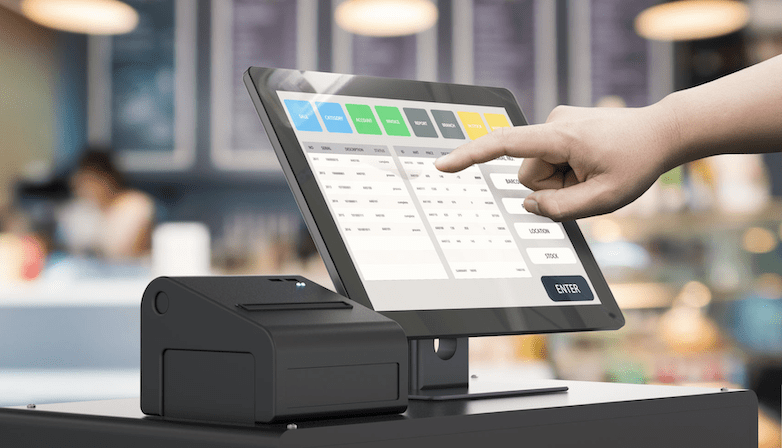
Here POS comes into the picture, the point of sale (POS) system is the place where your customer executes the payment for goods or services bought from your company. A POS system can help trim your paperwork, track inventory and market to your customers, making more time for you to focus on your business rather than managing finance. POS system like clover POS
Significance of POS
A POS system like clover station 2 can benefit your small business in several ways:
- Increases productivity and reduces costs
- Reduces human error and increases accuracy
- Streamlining operations
- Provides detailed sales reporting
- Improves the overall customer experience
Software components
There are two common software grouping:
- On-premise: A traditional software model. Purchase one or more licenses and install it on your computer system. You’re the owner of the system so updating or maintaining the software require personal assistance or dedicated IT team.
- Cloud-based: The basic functionality is same as from traditional software model in addition, you have the facility to access and support the system via internet.
Hardware components
Regardless of your chosen software deployment method, the hardware is the same. Let’s look at some of the most important hardware components.
- Interface: Standard monitor that displays the product database.
- Cash drawer: It may fade away in the years to come, but cash is still king. Used to store the daily takings and cash float along with slips relevant to accounting.
- Receipt printer: Used to print receipts for customers or end-of-day reports for cashing up. You can also print employee sales totals, hours and other information.
- Barcode scanner: Typically used in retail environments with many different products. Automates the checkout process. Scanning barcodes pulls product info and adds it to the checkout total.
- Card machine: Used to process payments made by debit or credit cards or mobile wallets via NFC.
System integration
The POS system can integrate with employee scheduling system, inventory system, and employee time tracking system. It also can integrate with input-output devices, such as a bar code reader, check reader or magnetic strip reader. A major feature of POS systems is the ability to run reports.
Financial reports can be transferred automatically to your financial advisor or your separate financial tracking software, which means you no longer have to log every paper transaction at the end of the day, also most POS systems have a built-in feature that allows staff to clock in and out each day.
The takeaway
While the features and benefits of POS are far greater than what we have mentioned above, we tried to shed some light and insight into your understanding of how POS systems work and how to use these systems based on your business. With that said there are different POS systems on the market, but don’t forget to do your research before opting one.