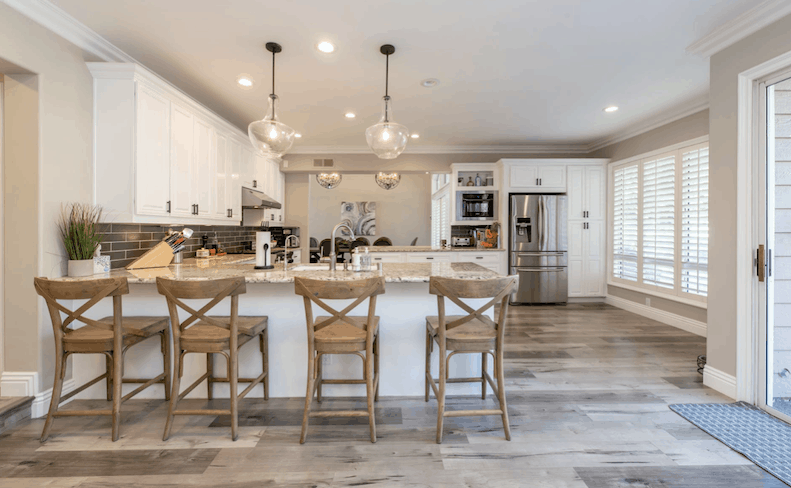
Many of us dream about designing our homes to our ideal imagined outcome. We wish to enjoy a perfect home with all the bells and whistles we might have one day imagined. Perhaps we are expecting a new arrival in the family, and yet do not desire to move to large lodgings. It could be that in cases like this, we wish to renovate our homes.
However, we can sometimes come up against practical limitations that might make our dreams somewhat hard to achieve, or at least, that’s how it can seem. Designing your home within practical limitations can often seem like a difficult circumstance if you’re not aware of how to move forward and plan for the best outcome.
On top of that, sometimes restrictions can be out of your control, such as local housing authorities protecting renovations in a certain area. Perhaps you are simply unaware of how much a project like this will cost. When it comes to that, it can be essential to understand what limitations you are working with, and how to move forward towards a positive outcome. Let us explore our advice below:
Apply to your housing authority
It can sometimes be that you simply need to know what your parameters are before starting a renovation or new build. Applying to a housing authority might be your first step. They might tell you the common practical norms of what they will and will not allow in your area Perhaps you live in a rural environment that is protected for its outstanding beauty, which often means that visual components of your plans will be taken into account.
For example, you may only be granted a one story extension rather than two. It could also be that through using residential architects to help guide you through some inner-city developments, you are able to squeeze the best out of what changes you wish to make and are permitted to follow.
Considering your needs
Tossing up your needs between compromise and achieving your goals can be a tough part of the planning process. Perhaps making a compromise can be worthwhile. You may not be able to generate your conservatory space right now, but it could be that a functional arch from your kitchen space to an outhouse can help you serve a similar purpose. It might be that knocking through a wall internally gives you the new perspective of space over and above extending outwards. There is always an alternative, and always a different yet suitable option to take.
Speak to the neighbours
Often, consulting the neighbors can grant you a range of potential advice and insight ahead of time. This can truly make the most difference. Perhaps they completed their own build two years ago, and have a few tips that they would be willing to impart, considering how you live on the same street and your homes have similar layouts. A little humility in seeking advice can go a long way.